
Wet basement signs often show up long before you ever see standing water, and learning to read them early can save a Dayton homeowner thousands in damage. In a region of clay soils, a high water table, and hard freeze-thaw winters, moisture works its way in slowly and quietly, leaving clues on the walls, in the air, and in the materials around your basement. Knowing what those clues mean lets you act while the fix is small. Here are the signs of a wet basement worth watching for, and what each one is telling you.
Visible Signs on Walls and Floors
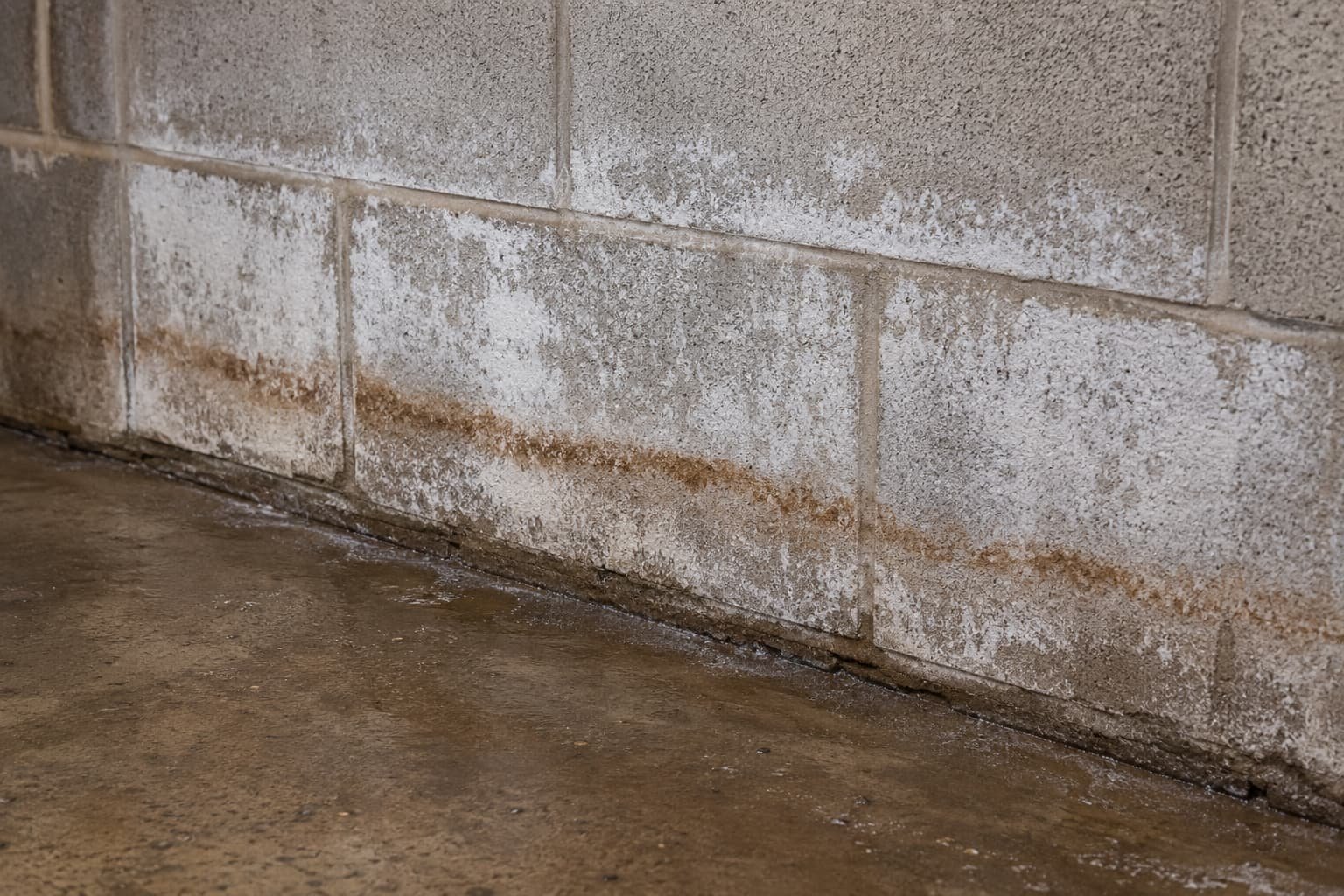
The most direct evidence is right on the foundation. White, chalky deposits called efflorescence are mineral salts left behind as water passes through concrete or block, and they’re a clear sign moisture is moving through the wall. Look also for dark staining or tide-mark lines, damp patches that come and go with the weather, and actual beads or trickles of water at the floor-wall joint after heavy rain or snowmelt. Hairline cracks that weep, or pooling in the same low spots of the floor, point to water finding a path inside.
Smells and Air Quality
Sometimes you smell a wet basement before you see it. A persistent musty, earthy odor is one of the most reliable indicators of hidden moisture, and it usually means mold or mildew is growing somewhere out of sight. High humidity that makes the basement feel clammy, condensation on cold surfaces and pipes, and visible mold spotting on walls, joists, or stored belongings all signal a moisture problem. Because damp basements affect the air in the whole house, the EPA’s guidance on indoor moisture and mold stresses that controlling the water source is the only real cure, not air fresheners or repainting.
Secondary Signs Around the Basement
Moisture also leaves its mark on the things near it. Watch for paint that bubbles or peels off foundation walls, rust forming on appliance legs, metal posts, or the bottoms of steel doors, and wood framing or trim that feels soft or looks warped. Finished basements hide the wall itself, so the first clue is often buckled flooring, a stain bleeding through drywall, or a carpet that smells damp no matter how often it dries. None of these appear without a moisture source behind them, so treat any one of them as a reason to look closer rather than a cosmetic issue to cover up.
Why Dayton Basements Get Wet
These signs are common here for a reason. Dayton sits in a river valley with a high water table, and its clay-rich soil holds water against foundations long after a storm, building pressure that pushes moisture through the wall. Freeze-thaw winters widen every small crack year after year, opening new paths for water. That’s why a basement that stayed dry for years can suddenly begin showing wet basement signs as the foundation ages and the ground keeps working against it.
What to Do If You Spot These Signs
The worst response is to ignore the early signs or paint over them, because the water pressure behind the wall doesn’t go away on its own. The lasting fix is to manage the water at its source, most often with an interior drainage system that captures groundwater at the footing and routes it to a sump pump before it reaches your floor. Surface sealers and waterproof paints only hide the symptom while the pressure keeps building behind the wall. If you’re noticing any of these signs in your home, don’t wait for the next wet season to make it worse. Request a free estimate and we’ll identify exactly where your water is coming from and how to stop it.