
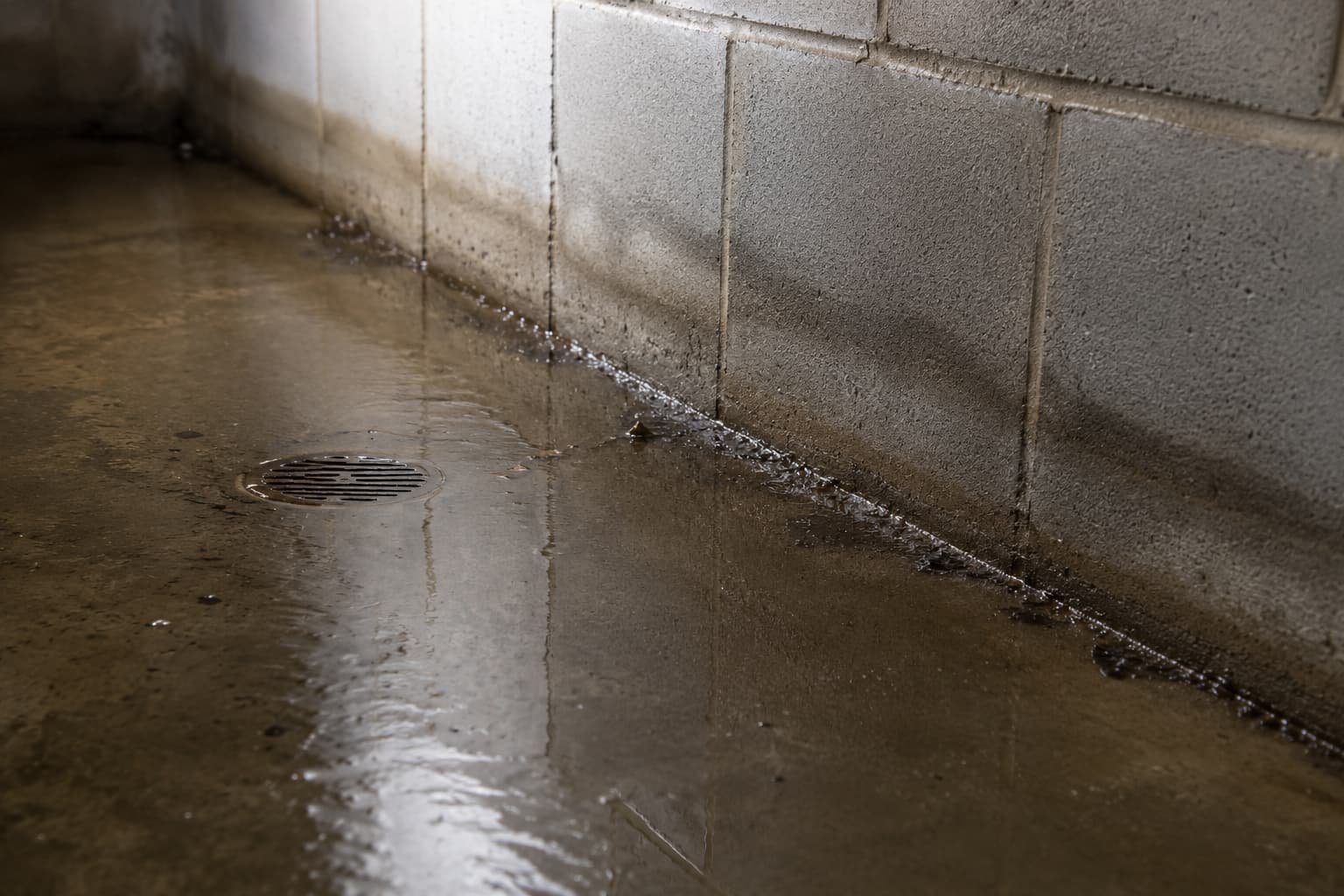
Basement flooding is one of the most stressful things a Dayton homeowner can face, and in a region shaped by three rivers and a high water table, it’s more common than many people expect. Whether it’s a few inches after a heavy storm or a sudden surge when a sump pump fails, a flooded basement needs a fast, level-headed response, followed by a plan to make sure it never happens again. This guide walks through what to do when your basement floods and how to prevent the next one.
What to Do When Your Basement Floods
Start with safety. If there’s standing water, do not wade in until you’re certain the power to the basement is off, because water and electricity together are deadly. If you can’t reach the breaker safely, call an electrician or your utility. Once it’s safe, stop the source if you can and begin removing water with a pump or wet vacuum, then move wet belongings up and out to dry. Photograph everything before you clean up, since documentation matters for insurance claims. The faster you dry the space and run fans and a dehumidifier, the better your odds of avoiding mold, which can take hold within a day or two.
After the Water Is Gone
Once the basement is dry, the work isn’t quite over. Throw out porous items that soaked through, such as carpet padding, cardboard, and water-damaged drywall, because they hold moisture and breed mold even after they look dry. Disinfect hard surfaces, keep air moving for several days, and watch the lowest courses of the wall and the floor-wall joint for lingering dampness that signals water is still finding its way in. If the same spot floods or seeps again, that’s your clearest sign the cause is structural and needs a permanent fix rather than another cleanup.
Why Dayton Basements Flood
Dayton’s geography sets the stage. The city sits at the confluence of the Great Miami, Mad, and Stillwater rivers, with a high water table that rises further during heavy rain and spring snowmelt. Clay-rich soil holds that water against foundations under pressure, and when it finds a path, it comes in fast. The most common trigger is a sump pump that can’t keep up or quits entirely, often during the exact storm that knocks out power. Cracks, failed drainage, and poor grading do the rest. FEMA’s resources on protecting your property from flooding outline how quickly low-lying ground takes on water and why drainage is the first line of defense.
How to Prevent Future Basement Flooding
The good news is that basement flooding is largely preventable with the right systems. The single most important step for most Dayton homes is a reliable sump pump with a battery backup, so it keeps running when a storm cuts the power. Pair it with an interior drainage system that intercepts groundwater before it reaches your floor, seal any foundation cracks that let water in, and make sure grading and downspouts carry water away from the house rather than toward it. Together these turn a basement that floods into one that stays dry through the worst weather.
Do Not Wait for the Next Storm
If your basement has flooded once, it will almost certainly flood again unless the underlying cause is fixed, because the water table and the soil aren’t going to change. The time to act is before the next big storm, not during it. A proper sump pump installation with backup power is the foundation of flood protection for a Dayton home, and the right drainage around it keeps water from ever reaching the pump in volume. Request a free estimate and we’ll assess your risk and design a system to keep your basement dry for good.